
The professional women’s basketball world is currently standing on a precipice. As the calendar turns toward the second week of January 2026, the WNBA is not preparing for a celebrated kickoff, but rather for a potentially catastrophic work stoppage. With a hard deadline of January 9th fast approaching, the league is staring down the barrel of a lockout or a strike—an event that would effectively erase the 2026 season and silence the most explosive growth period in the history of the sport. Yet, in the middle of this high-stakes game of financial chicken, one voice has cut through the noise with the authority of a veteran leader: Caitlin Clark.
During a recent Team USA camp, Clark delivered what many are calling a “bombshell” announcement, not through a formal title, but through a display of leadership that has gone viral across every major platform. While the WNBA Players Association (WNBPA) and league officials are locked in a bitter, public war of words, Clark has stepped into the void. Her message was simple, rational, and, according to some of her peers, dangerously honest: “It’s business and it’s negotiation. There has to be compromise on both sides.”

This stance marks a radical departure from the current climate of the negotiations. For months, the two sides have been at a standstill. The 2020 Collective Bargaining Agreement (CBA) was originally intended to last until 2027, but the players invoked an opt-out clause in late 2024. The catalyst for this move was undeniable—the “Caitlin Clark Effect.” Her arrival in the league triggered a seismic shift in viewership, attendance, and sponsorship revenue. Seeing the sudden influx of cash, the players naturally wanted a larger piece of the pie. However, as the deadline nears, those demands have escalated into what some critics are calling an “existential crisis” for the league’s financial health.
The details emerging from the negotiating table are nothing short of shocking. Players have reportedly demanded that the league continue to cover the costs of housing and rental cars—perks that some owners argue are unsustainable for a league still fighting for consistent profitability. Even more controversial is the demand for compensation for retired legends like Cheryl Swoopes and Lisa Leslie. While honoring the icons of the past is a noble sentiment, league owners have drawn a firm line in the sand, claiming that meeting the current union demands would result in a staggering $700 million loss. “We are not in the business of losing that type of money,” ownership representatives have stated, signaling that they are prepared to let the season go dark rather than sign a deal that bankrupts the league.
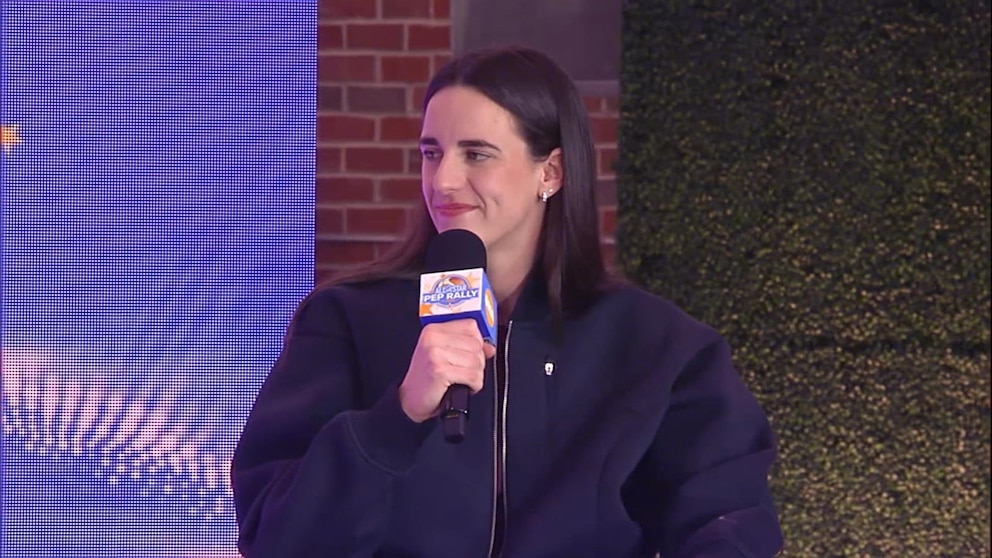
The tension has spilled out from the boardrooms and onto the hardwood. During the 2025 season, the rift became impossible to ignore. Players engaged in coordinated protests, wearing shirts during warm-ups emblazoned with the phrase “Pay us what you owe us.” Stars like Satou Sabally and Kelsey Plum have been vocal about their frustration, with Sabally characterizing the league’s initial offers as a “slap in the face.” The atmosphere has become so toxic that the WNBA league office recently took the unprecedented step of effectively calling the WNBPA leadership “liars” in a public statement, accusing the union of misrepresenting the progress of talks to the players and the public.
In this environment of vitriol and protest, Caitlin Clark’s call for compromise is both a breath of fresh air and a lightning rod for controversy. By reminding her colleagues that “the fans crave the product on the floor,” she is refocusing the conversation on the game itself. Clark understands better than anyone that her platform—and the massive financial boom she brought with her—only exists as long as there is a ball being bounced. Her leadership at the Team USA camp has solidified her position as a “captain in spirit,” a player who recognizes that a sustainable future requires both sides to bend.
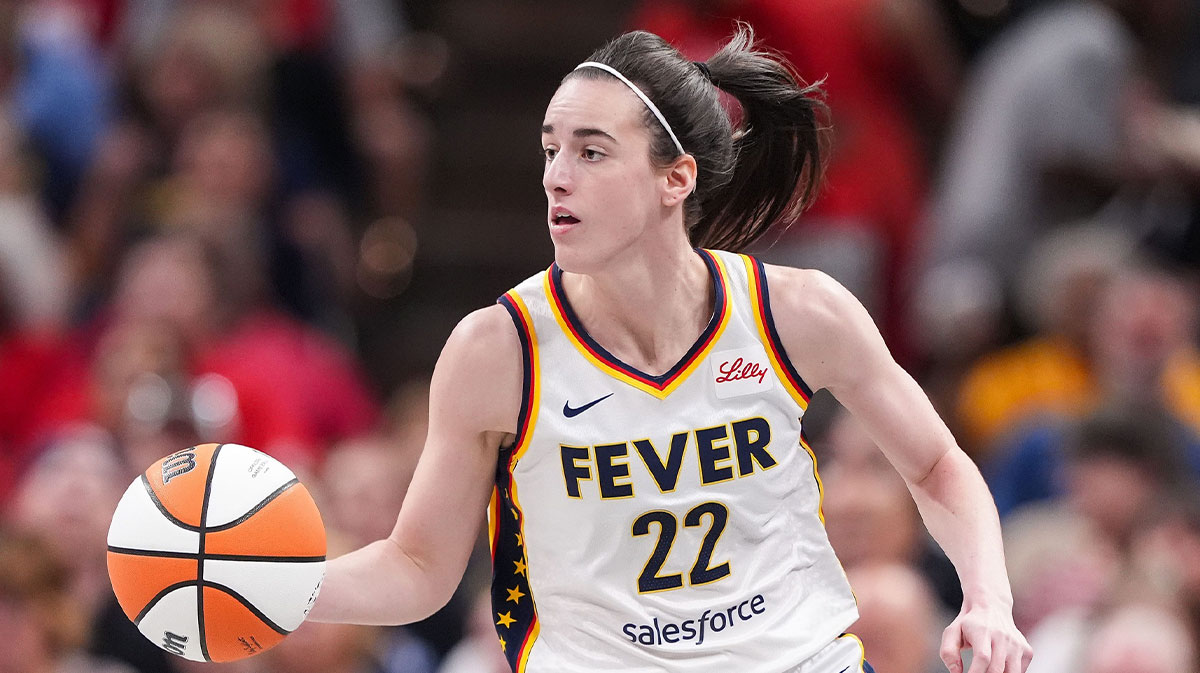
The league has made significant concessions in an attempt to bridge the gap. Reports indicate that the WNBA offered to raise “SuperMax” salaries to $850,000 and the veteran minimum to $300,000. By December 2025, there were even whispers of top earners potentially seeing compensation packages exceeding $1.3 million when revenue sharing is factored in. These are astronomical figures for a league that, just a few years ago, saw its top stars heading overseas in the off-season just to make ends meet. Yet, the union remains focused on a specific revenue-sharing model that the league insists it cannot yet afford.
The irony of the situation is palpable. Many of the players currently demanding record-breaking contracts are the same individuals who previously dismissed or criticized Clark’s fan base, sometimes in harsh terms. Now, they are seeking to maximize their earnings based on the very audience they once kept at arm’s length. Clark, however, has remained focused on the big picture. Her viral stance isn’t just about her own paycheck—which is already bolstered by massive individual endorsements—it’s about preventing a lockout that would alienate the millions of new fans she has worked so hard to bring into the fold.
As January 9th looms, the WNBA faces a defining moment. If a deal is not reached, the momentum of women’s basketball could be set back by a decade. Fans who have just discovered the excitement of the league may not return if they are met with a dark season and a labor dispute. Caitlin Clark has laid out the roadmap for a resolution: mutual concession. She has proven that true leadership isn’t about how much you can demand, but about having the vision to protect the game for everyone involved.
Whether the rest of the league will follow her lead remains to be seen. If they don’t, the WNBA risks becoming a cautionary tale of a league that flew too close to the sun and let internal squabbling destroy its brightest moment. For now, all eyes are on the clock, and on the young woman from Iowa who has become the unlikely voice of reason in a league on the brink.
News

Mula sa Pagiging Waitress Patungo sa Puso ng Isang Bilyonaryo: Ang Makabagong Cinderella Story nina Emma Sullivan at Jackson Reed na Nagpatunay na ang Pag-ibig ay Higit Pa sa Materyal na Bagay! bb
Sa mundo ng mga kwentong pag-ibig, madalas nating marinig ang tungkol sa mga prinsipe at mga dukha, ngunit sa totoong…

Kris Aquino, Nagbahagi ng Emosyonal na Update Mula sa Ospital: ‘Rainbow Year’ at Matapang na Laban para sa mga Anak, Ibinida! bb
Sa gitna ng pananahimik at matinding pagsubok sa kalusugan, muling nagpakita ng lakas at katatagan ang tinaguriang “Queen of All…

Mula sa Kahihiyan Tungo sa Tagumpay: Ang Hindi Inaasahang Pagbangon ni Avery Sinclair sa Tulong ng Isang Misteryosong Bilyonaryo bb
Sa mundo ng Manhattan kung saan ang kapangyarihan at imahe ay higit pa sa ginto, isang kuwento ng katatagan at…

Huling Pagkakataon para sa Pagkakaisa: Claudine, Gretchen, at Marjorie Barretto, Nagkaharap-harap sa Burol ng Kanilang Ina! bb
Sa loob ng maraming taon, ang pamilya Barretto ay naging sentro ng mga kontrobersya at mainit na balita sa mundo…

Mula sa Tatlong Pagkabigo Tungo sa Tunay na Pag-ibig: Ang Nakakaantig na Kuwento ni Natasha Monroe at ang Lalaking Nagpatunay na May ‘Forever’ Pa Pala bb
Sa mundo ng glitz at glamour ng fashion industry, madaling isipin na ang tagumpay ay sapat na upang punan ang…

Coco Martin at ang Misteryo ng Pagbabalik: Batang Quiapo Papunta na ba sa Huling Yugto? bb
Sa mundo ng Philippine television, iilang serye lamang ang nagagawang yanigin ang bawat tahanan gabi-gabi tulad ng “FPJ’s Batang Quiapo.”…
End of content
No more pages to load